
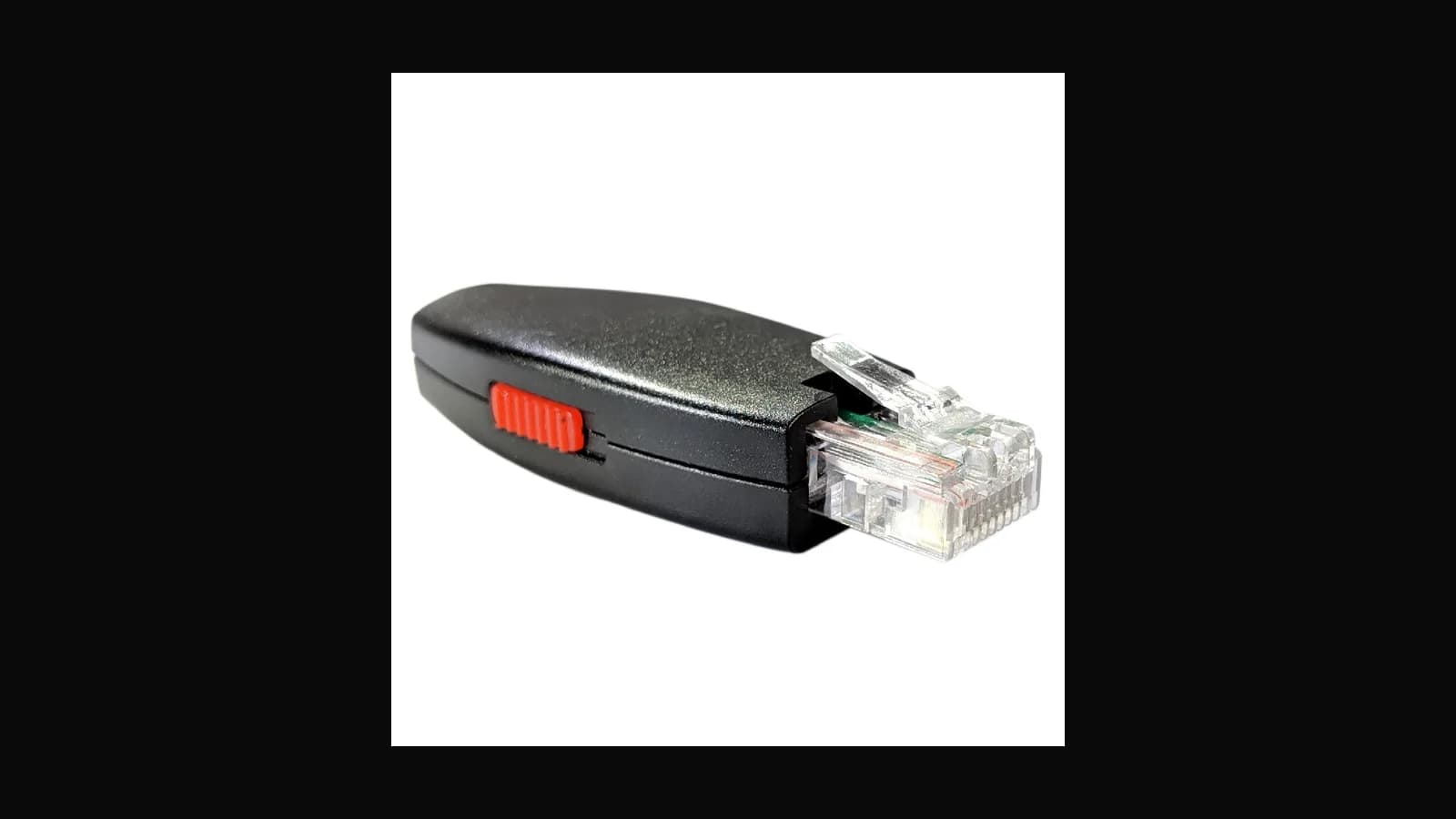
Shark Jack Cable vs Display for authorised Ethernet drops — MT7628 specs, short battery life, sourcing in Sri Lanka.
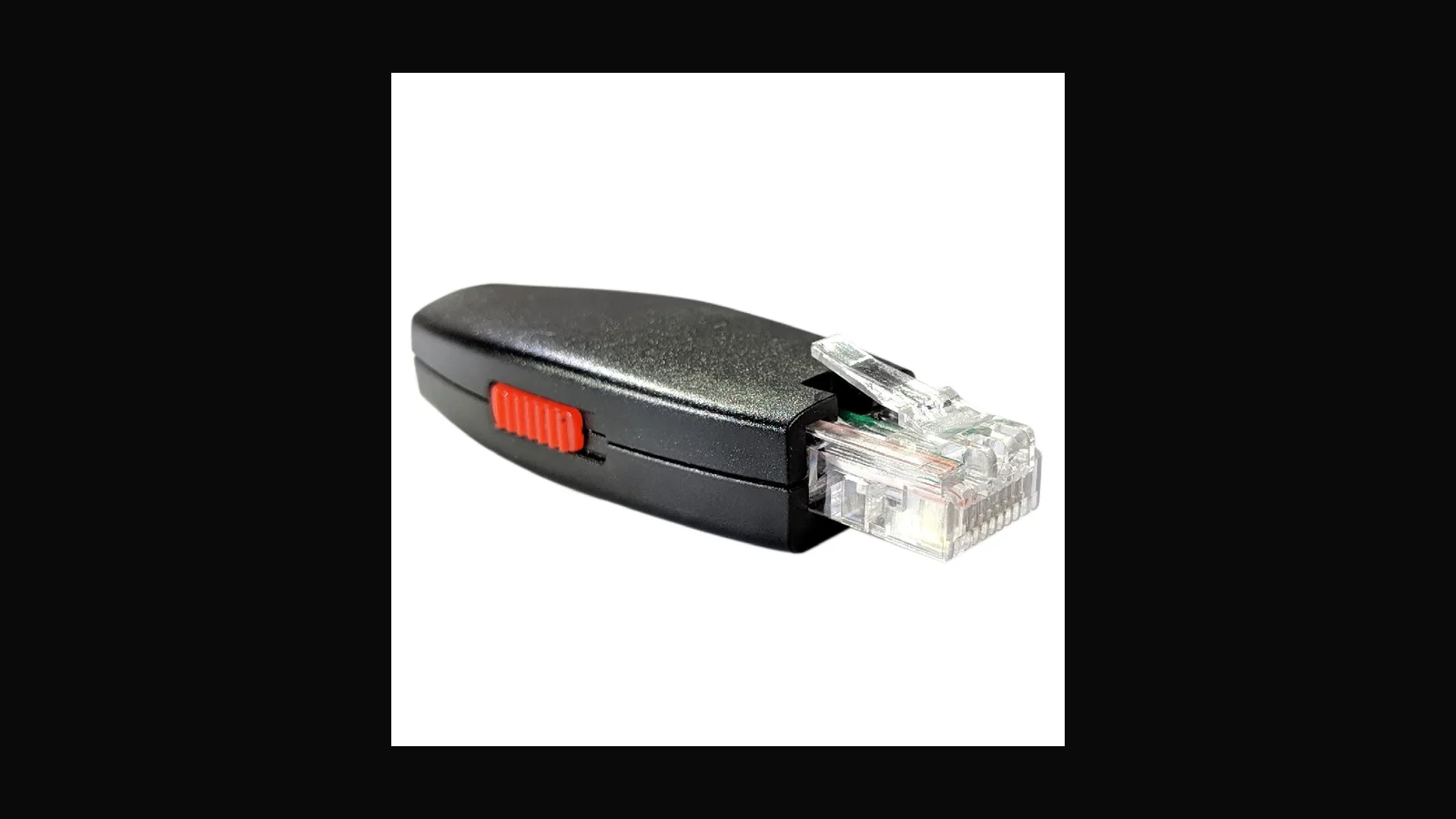
Product photo: Hak5
What it is
Shark Jack is a pocket Ethernet attack gadget: plug into a live jack, run a payload, recover output. Hak5’s technical sheet lists a MediaTek MT7628 (580 MHz), 64 MB RAM, 64 MB flash, USB-C, RJ45, ~50 mAh battery (15 minute runs, short charge), OpenWRT-based Linux. Cable and Display packs suit different theatres.
What it is actually used for
- Scoped building walks against live jacks
- Teaching wall-jack risk without hauling a laptop
- Short automated recon jobs
Key specs and facts
- MT7628 class SoC, 64/64 MB memory
- USB-C + RJ45
- Tiny battery — design payloads for short windows
- OpenWRT-based OS
Who it suits / who should pick something else
Great for physical+network hybrid lessons. Not a Wi-Fi pineapple. Not an all-day implant (see Turtle/Squirrel families).
Practical setup notes
- Charge before every run
- Label Display vs Cable
- Offload loot immediately
How I talk about these tools locally
Most Sri Lankan companies I work with do not need a full Hak5 suitcase on day one. They need one or two devices tied to a written lesson or SOW, plus the discipline not to “just try it” on the office SSID. If you are building a teaching kit, write the learning outcome first (“show USB HID trust”, “show Ethernet dropbox risk”) and only then pick the SKU.
Legal and ethical use
Use these tools only on systems you own or systems covered by written authorisation. In Sri Lanka, unauthorised access to computer systems can engage the Computer Crimes Act No. 24 of 2007. This post is practical product guidance, not legal advice. If the use case is unclear, pause and get counsel.
FAQ
Display or Cable?
Display for status; Cable for lower visual profile.
vs Packet Squirrel?
Squirrel is a longer Ethernet multi-tool; Shark is a quick drop.
Runtime?
Hak5 documents a short battery window.
Sourcing?
Ask Dishan.
Interested in Sri Lanka?
ALFA does not currently stock this as a standard catalogue line, and I am not listing a local LKR price here. If you need it for authorised testing or training, message Dishan on WhatsApp at +94 75 255 0704 and ask about sourcing. Include a short note on the engagement or lab use case so the reply is useful.
Documentation habit
Whatever you buy, keep a folder with: purchase date, serial/MAC, firmware hash, and the engagement or class where it was last used. That habit matters more than owning every SKU on this list.
Field notes from teaching
I keep coming back to the same failure pattern: people buy the tool before they write the rule. If your team cannot explain, in one paragraph, which systems are in scope and who signed that scope, the device should stay in the cupboard. Sri Lankan SMEs especially benefit from small, boring kits — one radio, one HID trainer, one written lab SSID — used every month until the muscle memory sticks.
When you ask me about sourcing an item ALFA does not shelf as standard stock, say whether you need a single unit for a named test or a classroom set. Lead times and import paperwork differ. I will not invent a local VAT-inclusive price here for non-catalogue gear; we talk that through on WhatsApp with the vendor quote in hand.
Also budget time for detection. Every offensive demo should end with the control that would have made the demo fail: USB allow-listing, 802.1X on wall jacks, DHCP snooping, cable inventory, whatever fits. Tools without that closing loop turn into theatre.
Field notes from teaching
I keep coming back to the same failure pattern: people buy the tool before they write the rule. If your team cannot explain, in one paragraph, which systems are in scope and who signed that scope, the device should stay in the cupboard. Sri Lankan SMEs especially benefit from small, boring kits — one radio, one HID trainer, one written lab SSID — used every month until the muscle memory sticks.
When you ask me about sourcing an item ALFA does not shelf as standard stock, say whether you need a single unit for a named test or a classroom set. Lead times and import paperwork differ. I will not invent a local VAT-inclusive price here for non-catalogue gear; we talk that through on WhatsApp with the vendor quote in hand.
Also budget time for detection. Every offensive demo should end with the control that would have made the demo fail: USB allow-listing, 802.1X on wall jacks, DHCP snooping, cable inventory, whatever fits. Tools without that closing loop turn into theatre.
Comments (0)
No public comments yet.